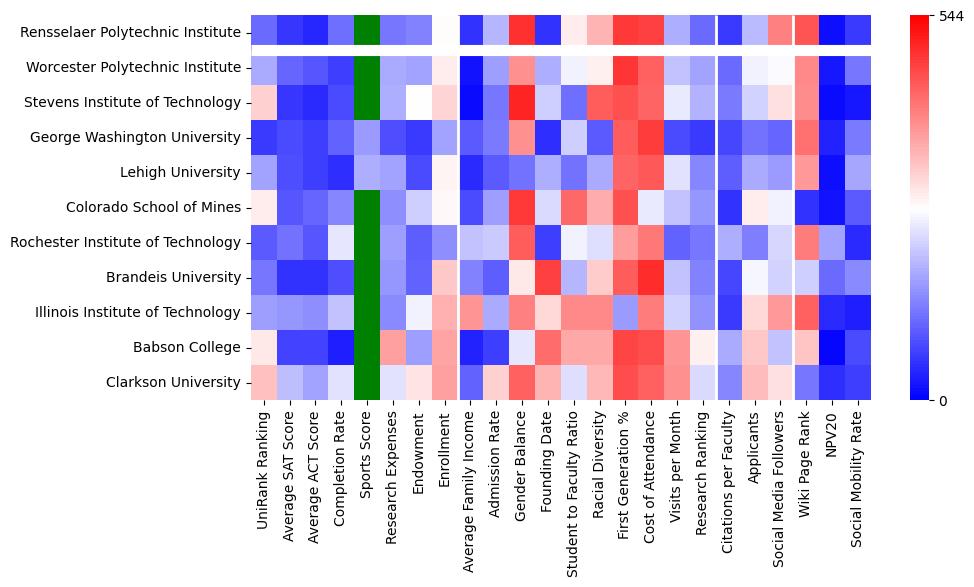
Rensselaer Polytechnic Institute (RPI), founded in 1824, is the oldest technological research university in the United States. Located in Troy, New York, RPI has a rich history of fostering innovation and pioneering advancements within engineering, science, and technology. The institute was established with the mission to apply science to the common purposes of life, a philosophy that continues to guide its educational approach. Over the years, RPI has evolved into a world-class institution known for its rigorous curriculum and cutting-edge research, drawing students from all over the globe.
One of the distinguishing features of RPI is its strong emphasis on interdisciplinary collaboration and innovation. The institution is home to the Rensselaer Technology Park, a research and development complex designed to encourage partnerships between academia and industry. This proximity to industry leaders offers students unique opportunities for internships, co-ops, and networking, enhancing their educational experience and preparing them for successful careers. RPI's commitment to sustainability and entrepreneurship further sets it apart, with initiatives such as the Center for Future Energy Systems and the Severino Center for Technological Entrepreneurship, empowering students to tackle real-world challenges.
Academically, RPI is renowned for its rigorous programs in engineering, computer science, and the natural sciences. The School of Engineering is particularly esteemed, frequently ranked among the top engineering schools in the nation. Programs such as Biomedical Engineering, Computer and Systems Engineering, and Mechanical Engineering are highly regarded. Additionally, the Lally School of Management has gained recognition for its focus on technology-driven business education. The institute's dedication to research is evident through its numerous research centers and institutes, where students and faculty collaborate on groundbreaking projects.
Despite its many strengths, RPI faces challenges, particularly concerning affordability and campus culture. The cost of attendance is considered high, and while the institute offers financial aid, some students and families find it insufficient to bridge the gap. Additionally, the intense academic environment can be demanding, leading to stress among students. Efforts have been made to address these issues, including wellness programs and initiatives to foster a more inclusive campus community. However, these remain areas where the institute continues to seek improvement.